Reconstructed 1751 Garrison
The French Fort
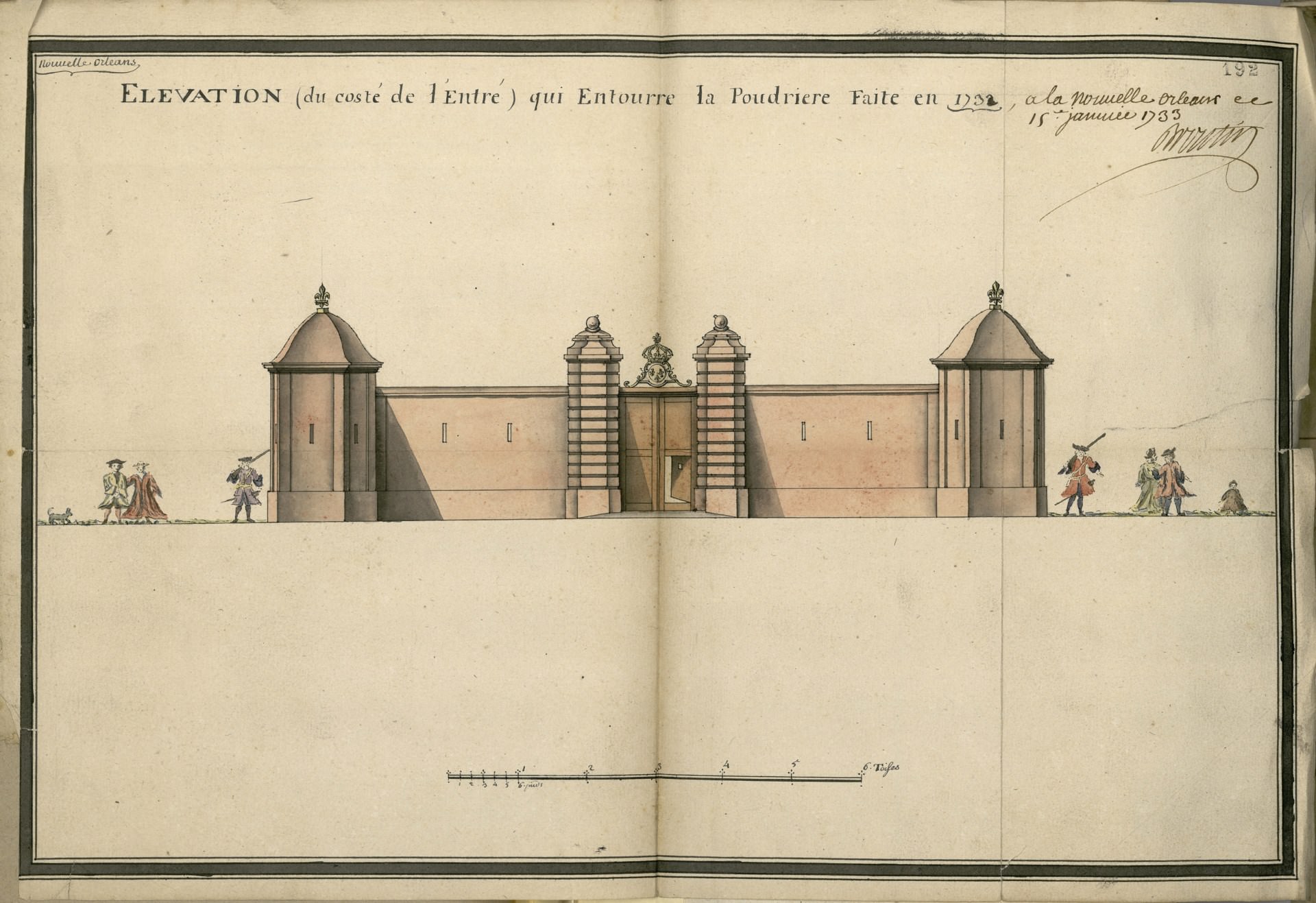
Walk through the meticulously reconstructed palisade walls of the 1751 French fort. Timber bastions, a commandant's house, and barracks bring the colonial frontier to life.
Learn moreWhere Rivers Converge, History Endures
At the sacred confluence where the Coosa and Tallapoosa rivers join to form the Alabama, a story three centuries deep runs through the red clay and river stone. This was the crossroads of empires, where French ambition met the enduring sovereignty of the Creek Nation, Andrew Jackson's army carved a new chapter into the American frontier, and the land itself has quietly witnessed every turning of the age.
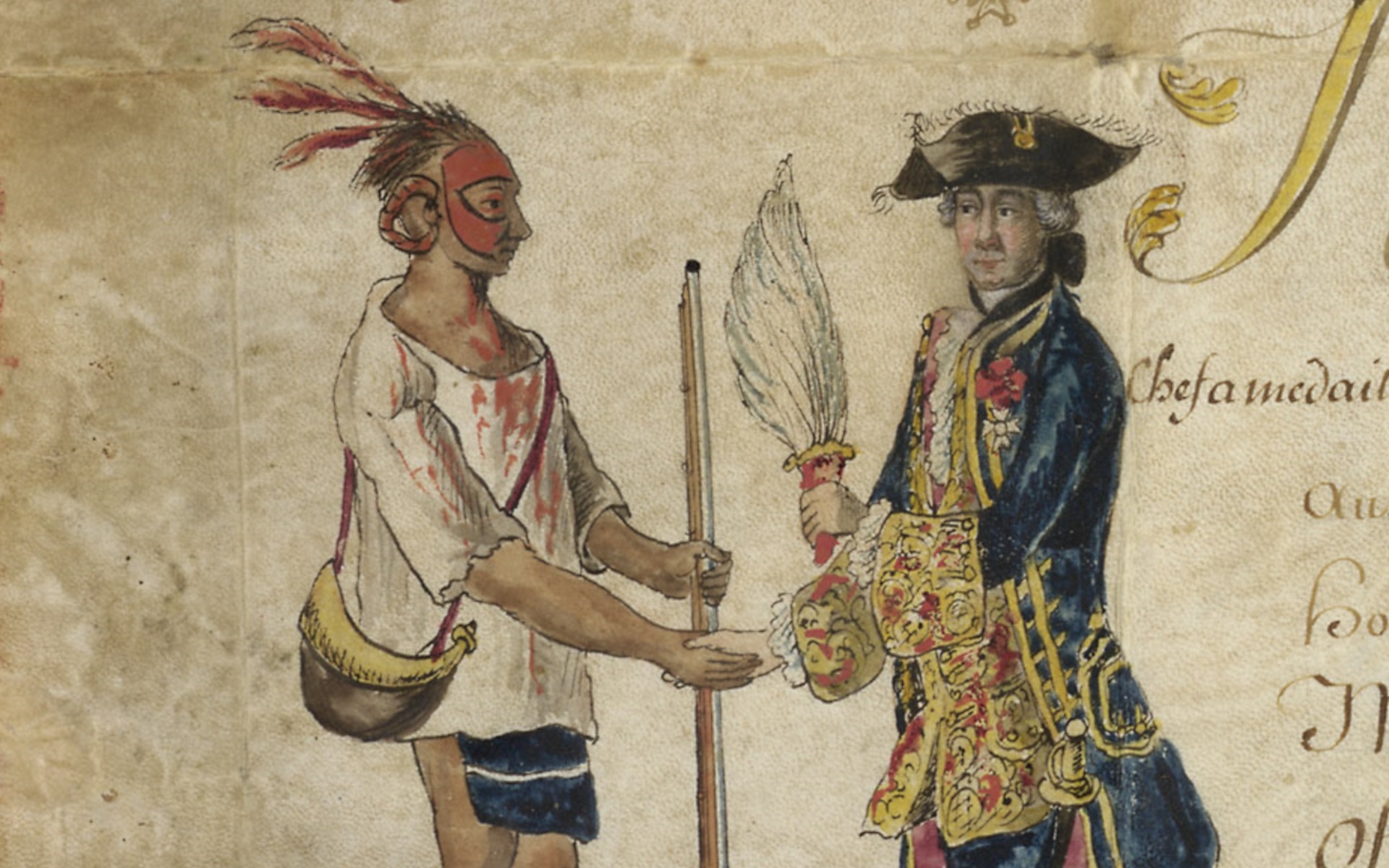
Fort Toulouse was erected in 1717 by the French as a strategic outpost in the heart of Creek territory. Named after Louis-Alexandre de Bourbon, comte de Toulouse, the fort served not as a symbol of conquest but of diplomacy: a rare point of exchange between European colonists and the powerful Creek Confederacy. For nearly half a century, French soldiers and Creek leaders negotiated, traded, and shaped the balance of power across the colonial South.
When France ceded its holdings east of the Mississippi in 1763, the fort fell silent. The walls crumbled. The river continued its indifferent course. But history was not finished with this place.
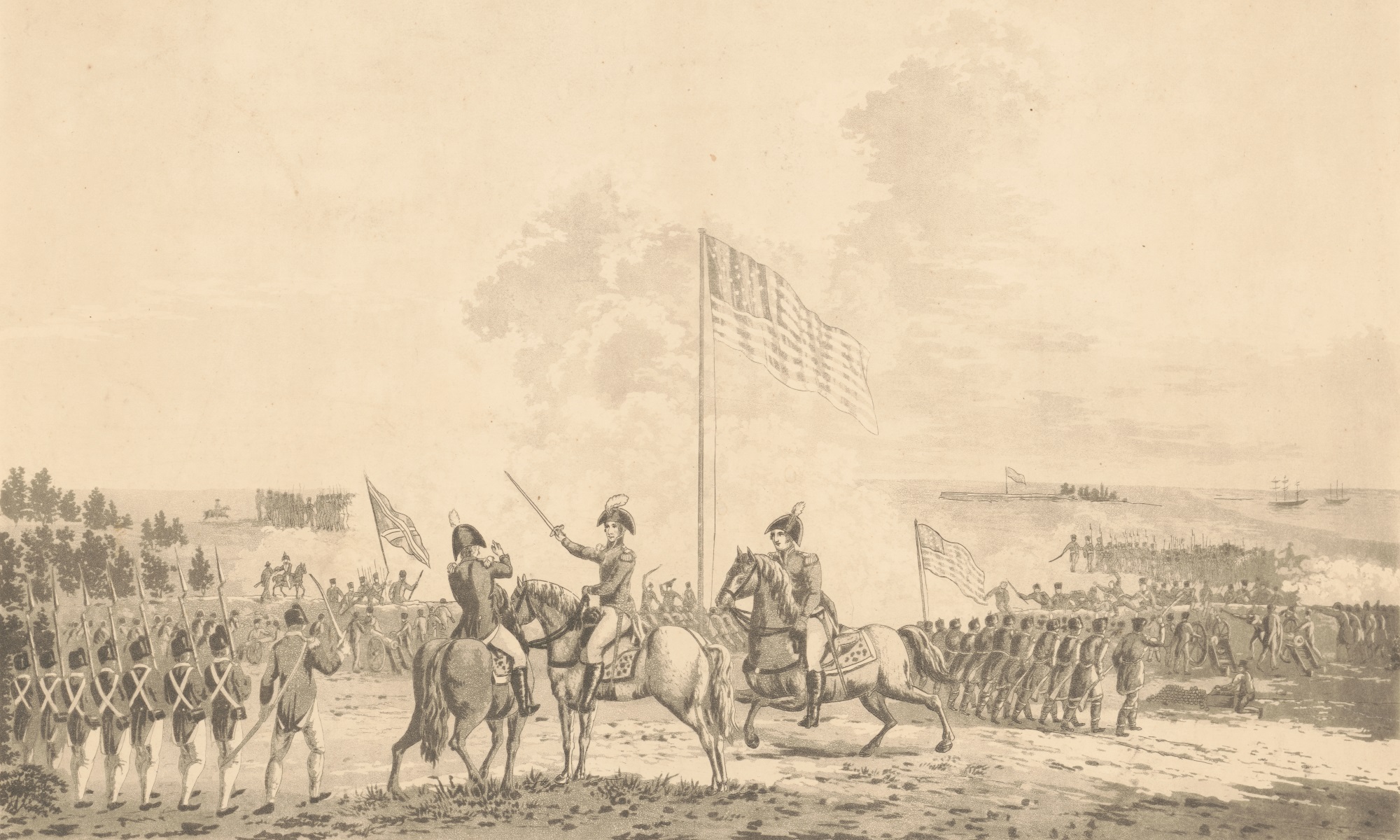
In 1814, following the decisive Battle of Horseshoe Bend, General Andrew Jackson marched his forces to this very confluence and constructed Fort Jackson upon the bones of the old French garrison. It was here, beneath the shade of ancient oaks, that the Treaty of Fort Jackson was signed. The document would reshape the map of the American South, compelling the Creek Nation to cede roughly 23 million acres of land.
Today, the site stands as a living monument, not to any single victor, but to the layered complexity of American history itself. Reconstructed fortifications rise alongside archaeological traces of Creek mound-building traditions stretching back a thousand years. The park invites visitors to walk the same ground where three civilizations left their mark, and to consider the rivers of consequence that flow from this singular place.
Three hundred years of history, inscribed in earth and river. From French colonial ambition to American expansion, from Creek sovereignty to modern preservation, each era has left its indelible mark upon this land.
French soldiers under the command of Jean-Baptiste Le Moyne de Bienville establish Fort Toulouse at the confluence of the Coosa and Tallapoosa rivers, creating a strategic outpost for trade and diplomacy with the Creek Nation.
The fort undergoes its first major reconstruction, strengthening its position as the primary French trading post in the interior of the colony of Louisiana. A thriving exchange of deerskins, textiles, and firearms defines daily life.
Following the Treaty of Paris that concludes the Seven Years' War, France surrenders all territory east of the Mississippi to Britain. Fort Toulouse is abandoned, its garrison withdrawn. The forest begins to reclaim the walls.
After the decisive Battle of Horseshoe Bend, General Andrew Jackson orders the construction of a new American fort on the ruins of the French garrison. The fort becomes the staging ground for the treaty that will reshape the South.
On August 9th, the Treaty of Fort Jackson is signed, compelling the Creek Nation to cede approximately 23 million acres, roughly half of present-day Alabama and part of Georgia. It marks a turning point in the history of the American Southeast.
Systematic archaeological excavations begin, uncovering the foundations of multiple French fort constructions, Creek village sites, and prehistoric mound structures dating back over a thousand years.
Fort Toulouse–Fort Jackson is formally established as an Alabama state historic site under the Alabama Historical Commission. Reconstructions of the 1751 French fort are completed, bringing the colonial era back to life.
From reconstructed fortifications to ancient mound sites, every corner of this 164-acre park holds a story waiting to be uncovered.
Walk through the meticulously reconstructed palisade walls of the 1751 French fort. Timber bastions, a commandant's house, and barracks bring the colonial frontier to life.
Learn more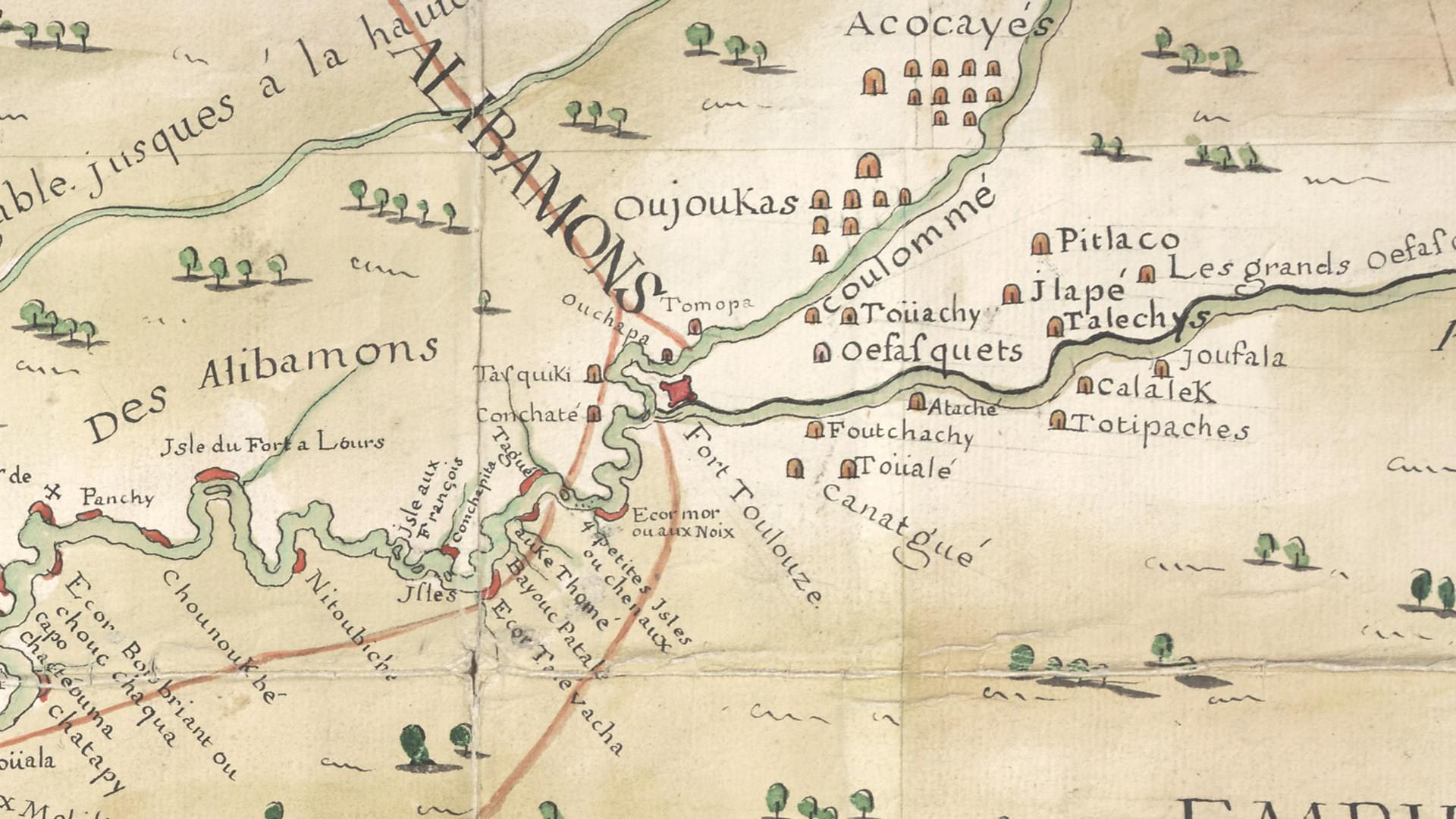
Explore the ancient mound structures and village sites that predate European contact by centuries. Archaeological findings reveal a sophisticated society deeply connected to the river landscape.
Learn more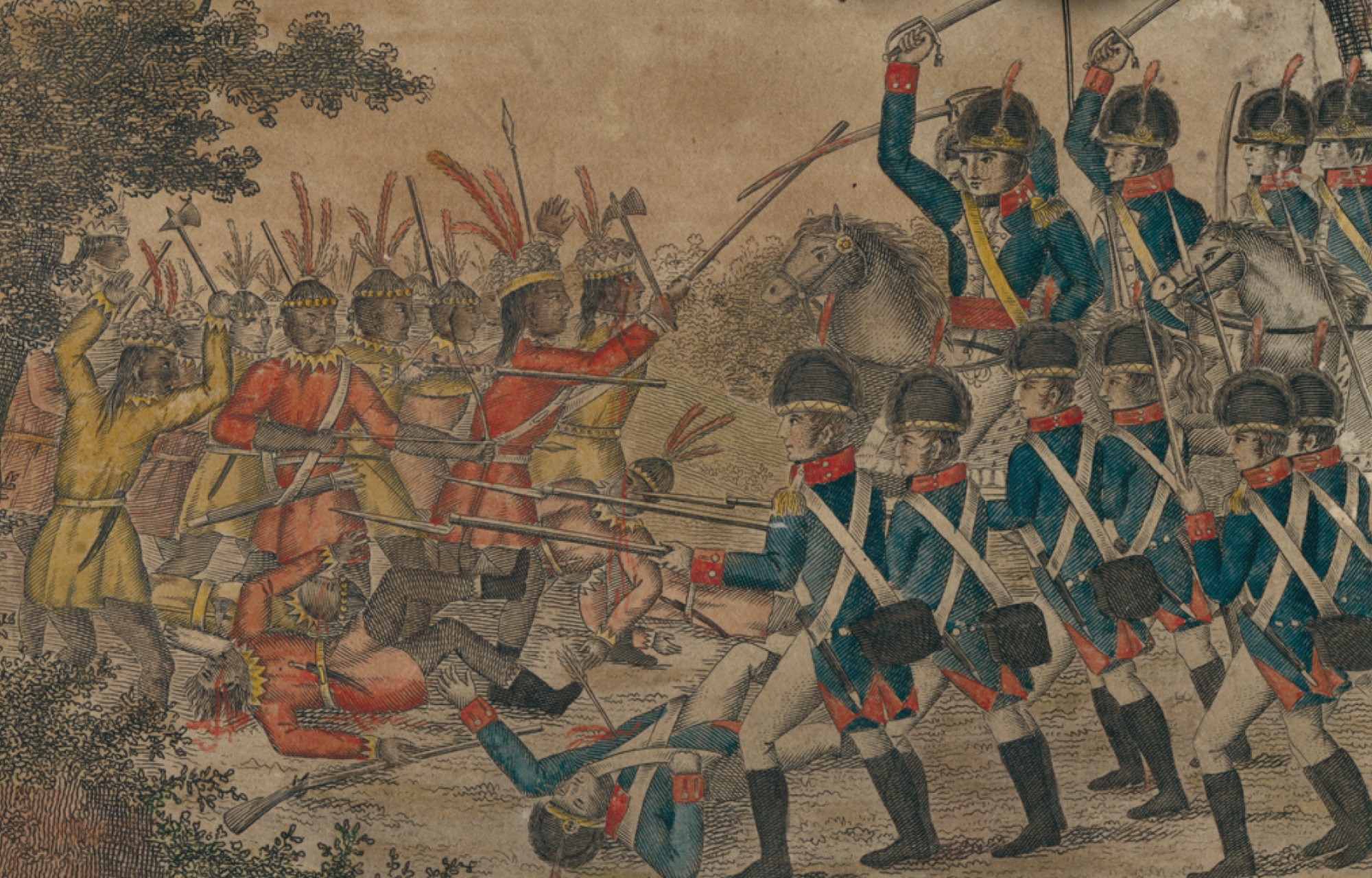
The partially restored 1814 American fort, built atop the ruins of Fort Toulouse and the site of the Treaty of Fort Jackson that ended the Creek War.
Learn more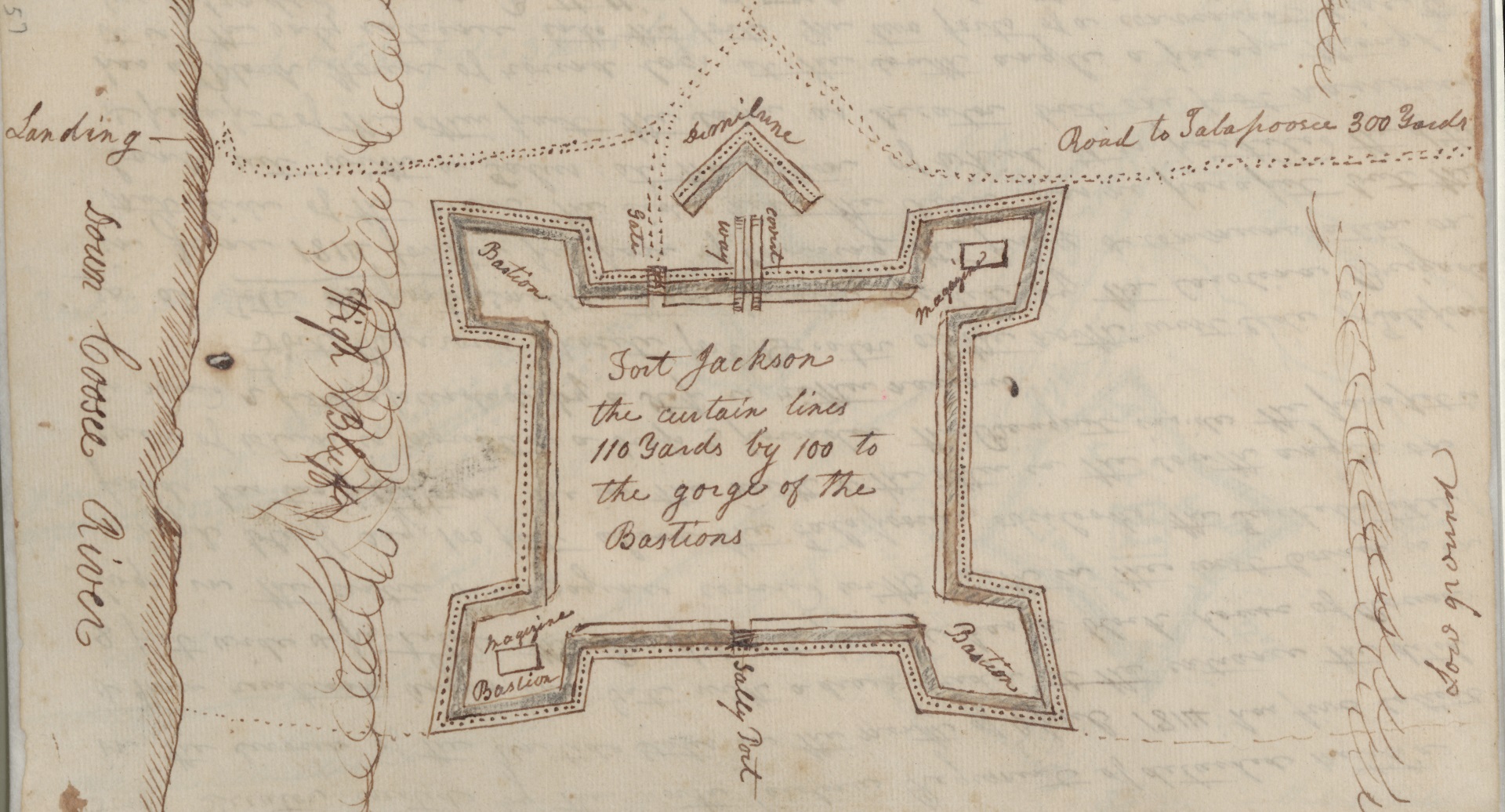
A one-mile trail along ridgelines and river bottoms, named for the 18th-century naturalist who passed through this region in 1775. Year-round birding and historic markers.
Learn moreFort Toulouse–Fort Jackson welcomes visitors year-round. Wander the reconstructed fortifications, explore ancient mound sites, and stand at the confluence where three centuries of American history converge.
2521 West Fort Toulouse Road
Wetumpka, Alabama 36093