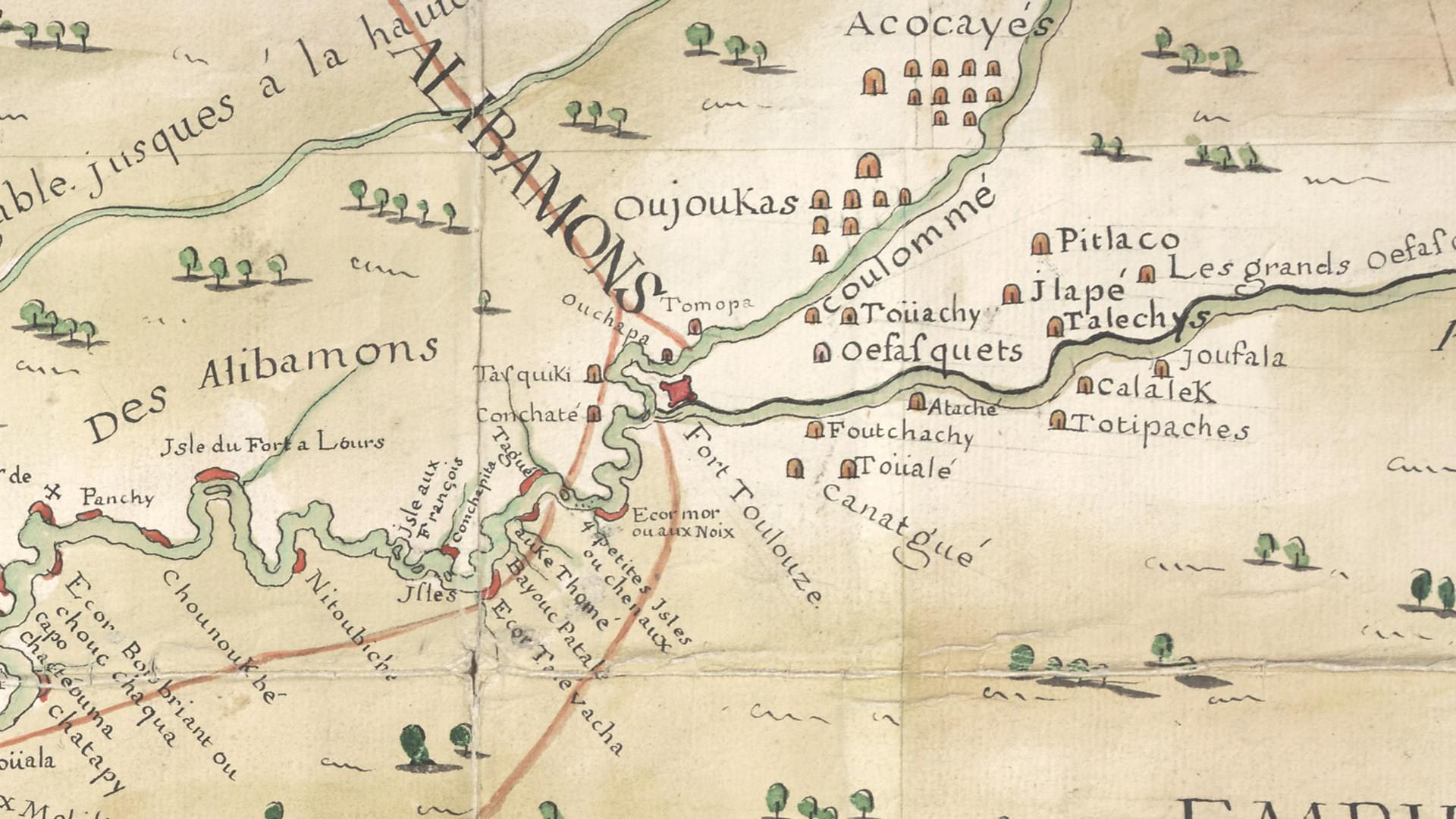
Exhibits & Grounds
From reconstructed fortifications to ancient mound sites, every corner of this 164-acre park holds a story.
Fort Toulouse–Fort Jackson invites you to walk the ground where three civilizations left their mark. Each exhibit and trail offers a different lens on the layered history of this extraordinary confluence, from the Mississippian mound builders who shaped the land a thousand years ago to the colonial soldiers and frontier generals who contested its control.
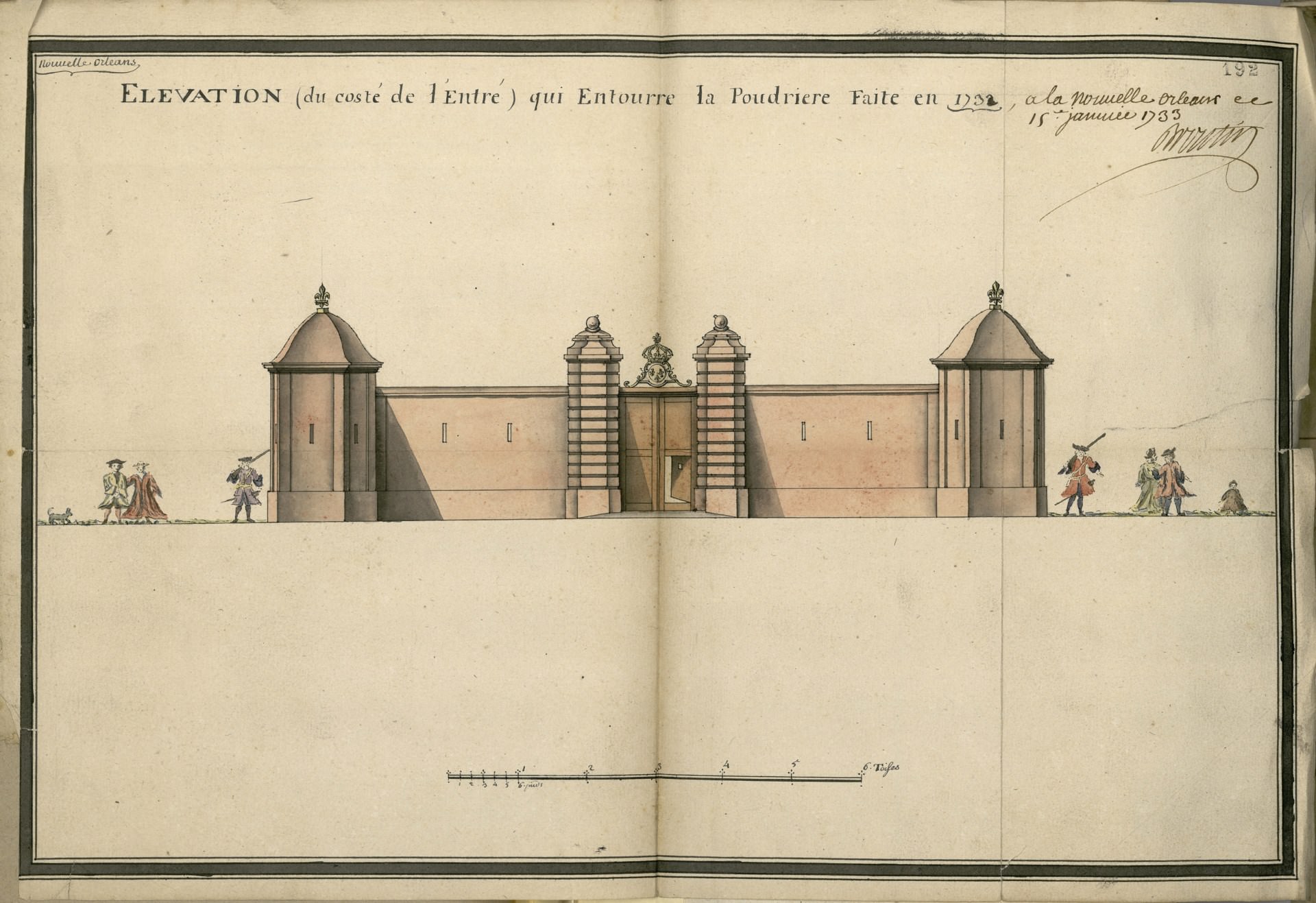
The French Fort
Walk through the meticulously reconstructed palisade walls of the 1751 French fort and step into the world of colonial frontier life. The timber bastions, commandant's house, barracks, and powder magazine have been rebuilt using period construction techniques, offering a tangible connection to the soldiers and diplomats who lived and worked within these walls for nearly half a century.
The reconstruction is based on decades of archaeological research, including the excavation of three distinct French fort constructions on this site. Visitors can explore the interior rooms, examine replica furnishings and equipment, and understand the strategic importance of this remote outpost in the vast territory of French Louisiana.
Creek Heritage
The Mississippian mound complex and Creek village sites at Fort Toulouse predate European contact by centuries, revealing a sophisticated society deeply connected to the river landscape. Multiple platform mounds, used for ceremonial, political, and residential purposes, testify to the organizational complexity and spiritual richness of the peoples who shaped this land long before the first French flag was raised.
Archaeological findings from the village sites include pottery with intricate stamped and incised designs, stone tools, shell gorgets, and evidence of far-reaching trade networks that connected this confluence to communities across the Southeast. Walking the grounds, visitors encounter the physical evidence of a culture that thrived here for over a thousand years.
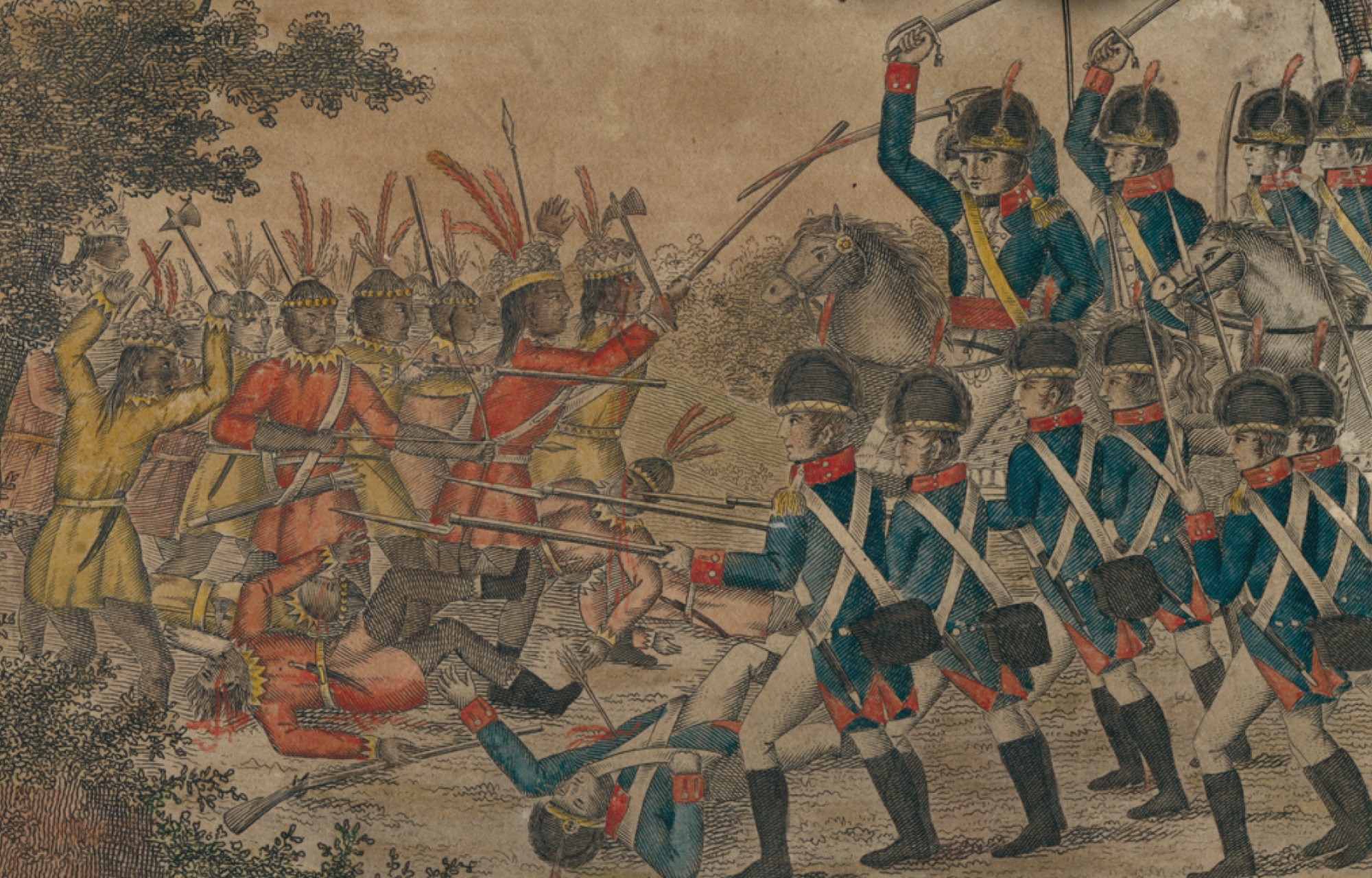
Fort Jackson
After the Battle of Horseshoe Bend, General Andrew Jackson's army marched to the confluence and, atop the ruins of the abandoned French fort, raised a large earthen fortification with seven-foot moats and dirt walls reaching up to nine feet high. The partially restored earthworks today trace the outline of the 1814 garrison that quartered up to 200 soldiers.
It was here, on August 9, 1814, that the Treaty of Fort Jackson was signed, ending the Creek War and compelling the Creek Nation to cede over twenty million acres of land. This cession opened much of present-day Alabama to American settlement.
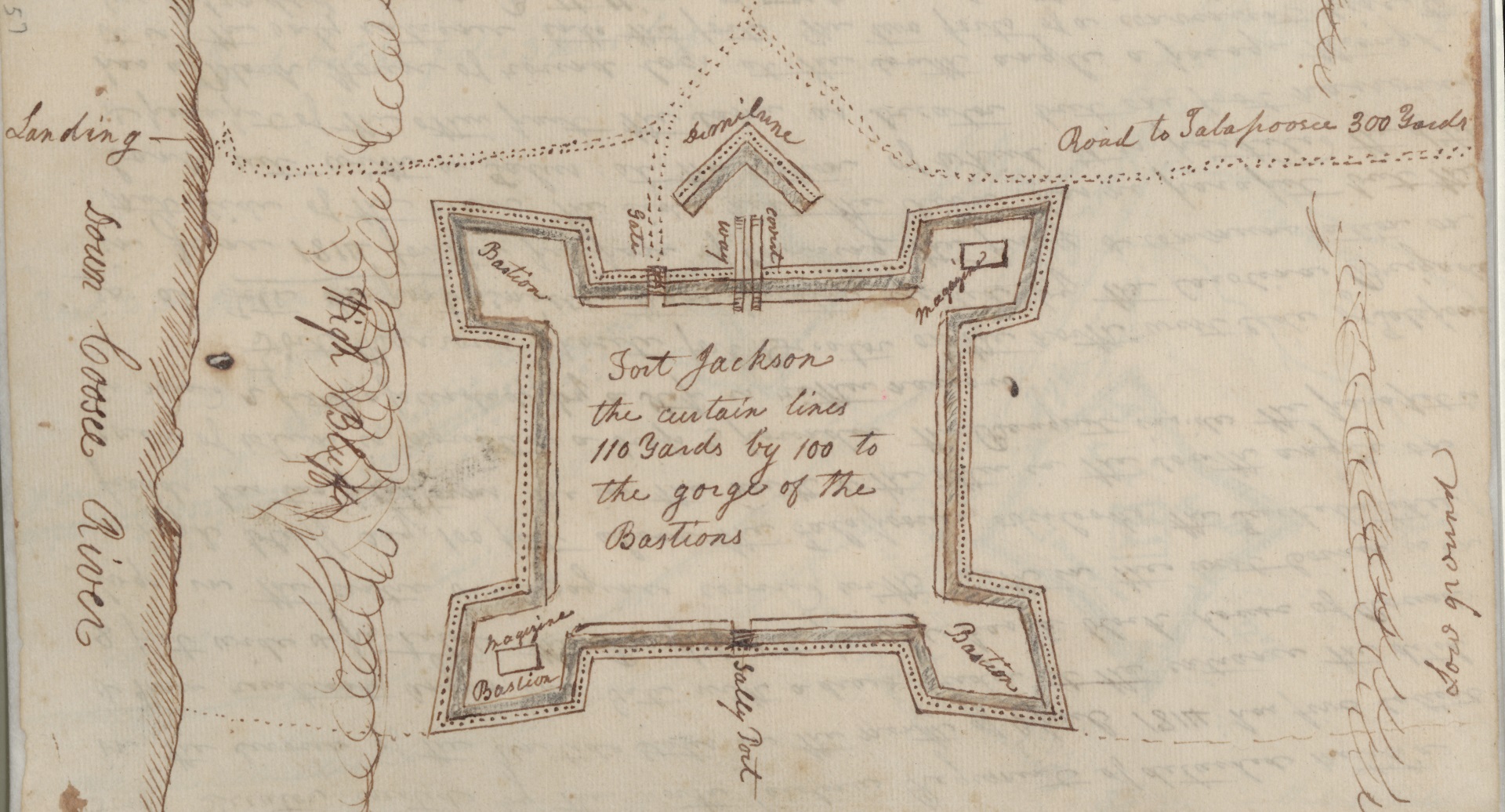
William Bartram Nature Trail
The one-mile William Bartram Nature Trail winds along ridgelines and river bottoms at the southern end of the park. Named for the 18th-century naturalist who passed through this area in 1775, the path offers wonderful birding throughout the seasons and passes a marker dedicated to Sergeant Jean Louis Fontenot, who served at Fort Toulouse from 1735 to 1754.
A small, privately owned cemetery sits just off the trail to the left, with a single remaining marker for Isaac Ross. The cemetery is open to public viewing but must be treated with respect. A separate marker honors William Bartram further along the trail.
Plan Your Visit
Hours, admission, directions, and everything you need to explore Fort Toulouse–Fort Jackson.
Plan Your Visit